Is Your Subfloor Ready for New Flooring? What Homeowners Should Know Before Installation
When homeowners start shopping for new flooring, most of the attention goes to the part they’ll actually see. Color, material, plank width, texture, and style are all important decisions. But there’s another part of your flooring project that can have a major impact on the finished result: the subfloor underneath it.
If you’re looking for a flooring installer in Athens, TN, understanding the importance of proper subfloor preparation can help you know what to expect before installation begins. At Osment Flooring & Cabinets, we believe a beautiful finished floor starts with what’s underneath it.
What Is a Subfloor?
Your subfloor is the structural surface beneath your finished flooring. Depending on your home, it may be plywood, oriented strand board (OSB), concrete, or another approved material.
The flooring you see and walk on every day is installed over this surface. That means problems with the subfloor can sometimes affect how the finished flooring looks, feels, and performs.
Before new flooring is installed, the condition of the existing surface should be evaluated so any necessary preparation can be addressed.
Uneven Areas Can Affect the Finished Floor
One important consideration is whether the installation surface is sufficiently flat for the flooring product being installed.
Dips, high spots, or other irregularities may need to be corrected before installation. Depending on the flooring material and the condition of the existing surface, preparation could include patching low areas, addressing high spots, or making other adjustments recommended for the product.
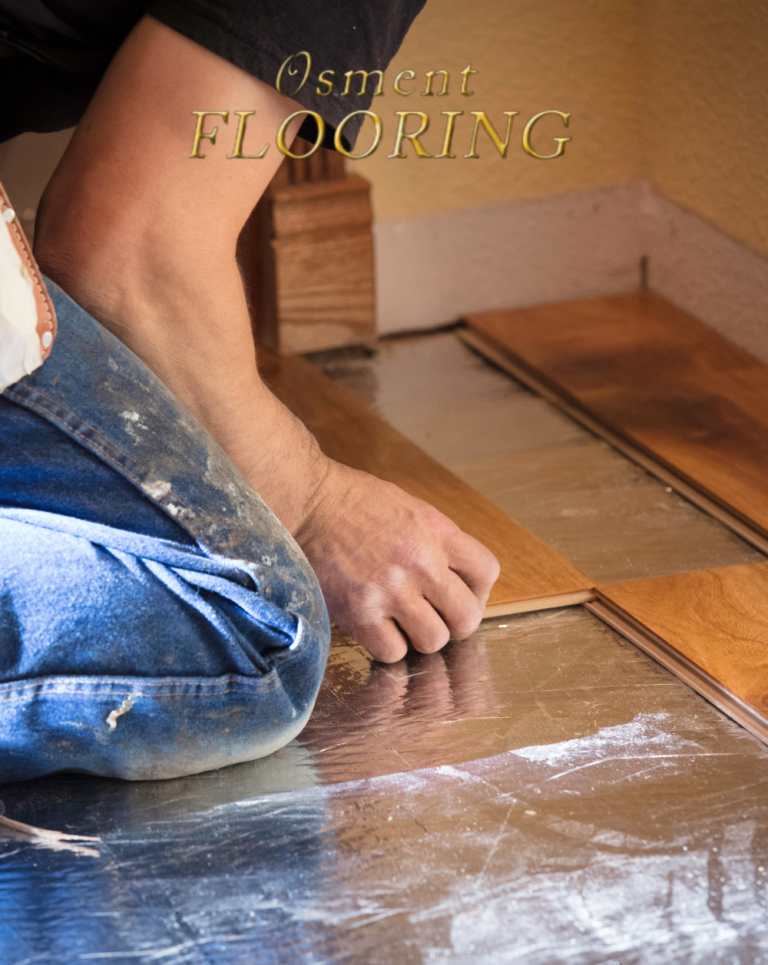
This is one reason choosing an experienced flooring installer in Athens, TN matters. Flooring installation involves more than simply putting new material over an existing surface. Proper preparation helps create the foundation for a better finished result.
Don’t Ignore Squeaks or Movement
If certain areas of your floor squeak, flex, or feel different when you walk across them, mention it before new flooring is installed.
A squeak does not automatically mean there is a serious structural problem. Sometimes movement between flooring components can create noise. However, installing new flooring without investigating noticeable movement or noise may leave you with the same issue afterward.
Flooring replacement is a good opportunity to identify visible or noticeable concerns that may be easier to address while the existing floor covering is being removed.
Moisture Matters
Moisture is another important consideration before installing many types of flooring.
Basements, concrete slabs, bathrooms, kitchens, and other moisture-prone areas may require special attention depending on the flooring product selected. Manufacturers often provide specific installation requirements related to moisture testing, underlayment, adhesives, or moisture barriers.
This is also why it’s important to choose flooring based on where it will be installed rather than appearance alone. A product that works beautifully in one area of a home may have different requirements in another.
Old Flooring and Adhesive Can Create Extra Preparation
Removing old flooring can sometimes reveal conditions that weren’t visible beforehand.
Old adhesive, damaged material, uneven patches, staples, fasteners, or residue may need attention before the new flooring can be installed. In some homes, removing carpet or older flooring can also uncover areas of the subfloor that need repair or additional preparation.
This doesn’t necessarily mean there’s a major problem. It simply means flooring projects can involve preparation that homeowners don’t see when they’re choosing samples in the showroom.
Different Flooring Products Have Different Requirements
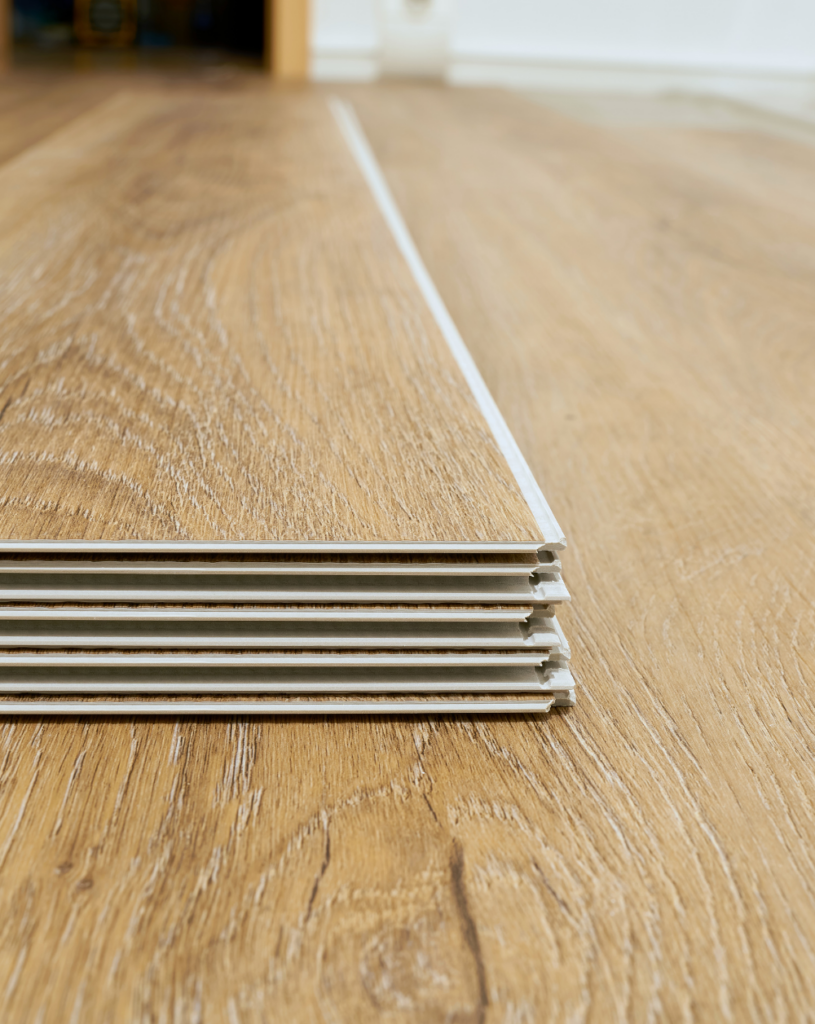
Hardwood, luxury vinyl plank, carpet, and other flooring materials don’t necessarily have identical installation requirements.
The manufacturer’s specifications for the product should guide how the surface is prepared and how the flooring is installed. That’s another reason professional installation can be valuable.
At Osment Flooring & Cabinets, we offer both flooring products and professional installation services, helping homeowners move from choosing a floor to seeing it properly installed in their homes.
What Can Homeowners Do Before Installation?
You don’t need to become a flooring expert before your installation date, but there are a few things you can do to help prepare.
Pay attention to areas that squeak, feel uneven, or have experienced moisture issues in the past. Let your flooring professional know about anything you’ve noticed. You should also ask what needs to be moved from the installation area and whether there are any specific preparations you need to make before the crew arrives.
Most importantly, don’t assume every surface underneath old flooring will be installation-ready. Some floors require very little preparation, while others may need additional work once the existing material is removed.
Professional Flooring Installation in Athens, TN
Choosing beautiful flooring is the fun part, but proper installation helps bring the entire project together. Paying attention to the subfloor, transitions, product requirements, and finishing details can make an important difference in the final result.
If you’re searching for a flooring installer in Athens, TN, visit Osment Flooring & Cabinets. Our team can help you explore hardwood, luxury vinyl plank, carpet, and other flooring options while also providing professional installation services for your project.
As a cherished family-owned business, Osment Flooring & Cabinets proudly serves homeowners throughout Athens, Cleveland, Charleston, Benton, Riceville, Etowah, Englewood, Tellico Plains, Dayton, Decatur, Loudon, Lenoir City, Sweetwater, Vonore, Madisonville, and the Knoxville area. Contact us at 423-252-0316 to learn more about flooring options and installation for your home.
“`